

What to Eat in Malaysia: A First-Timer's Food Guide
Malaysia · 7 August 2025 · 9 min read
Malaysian food is the country's great unsung hero — a delicious collision of Malay, Chinese and Indian cooking that produces some of the best eating in Asia. And it's cheap. Here's what to order.
The essentials
Nasi lemak
The national dish — coconut rice with sambal, fried anchovies, peanuts, egg and cucumber. It's breakfast, lunch and dinner, and the version wrapped in banana leaf is the real deal.
Char kway teow
Smoky stir-fried flat noodles with prawns, egg and Chinese sausage, wok-charred over high heat. Penang's is the stuff of legend.
Laksa
Malaysia has two great versions — the sour, fishy Asam laksa of Penang and the creamy curry laksa of the south. Try both and pick a side.
Street food and snacks
Roti canai
Flaky, buttery flatbread served with curry for dipping — the perfect breakfast and a street-stall staple.
Satay
Grilled skewers with rich peanut sauce, best eaten from a night market with the smoke in the air.
Teh tarik
The "pulled tea", poured theatrically between two cups until frothy. Sweet, strong and everywhere.
Regional heroes
- Penang — the food capital; char kway teow, Asam laksa and cendol.
- Malacca — Peranakan cooking, a Chinese-Malay fusion.
- Borneo — fresh seafood and jungle ingredients in Sabah.
How to eat like a local
- Eat at hawker centres — a dozen stalls, one table, endless variety.
- Go early — the best stalls sell out by mid-afternoon.
- Order small and share — the whole point is to try everything.
- Finish with cendol — the iced coconut dessert with green jelly.
Quick questions, answered
Is Malaysian food spicy?
It can be, but it's easy to adjust — most dishes range from mild to medium, and the sambal (chilli paste) usually comes on the side.
What's the one dish I must try?
Nasi lemak, ideally the banana-leaf version from a busy stall — it's the national dish for a reason.
Is the street food safe?
At busy, high-turnover stalls, yes. We point every Malaysia traveller toward the good stalls — call 020 7946 0958 for a food-first trip.
Related guides
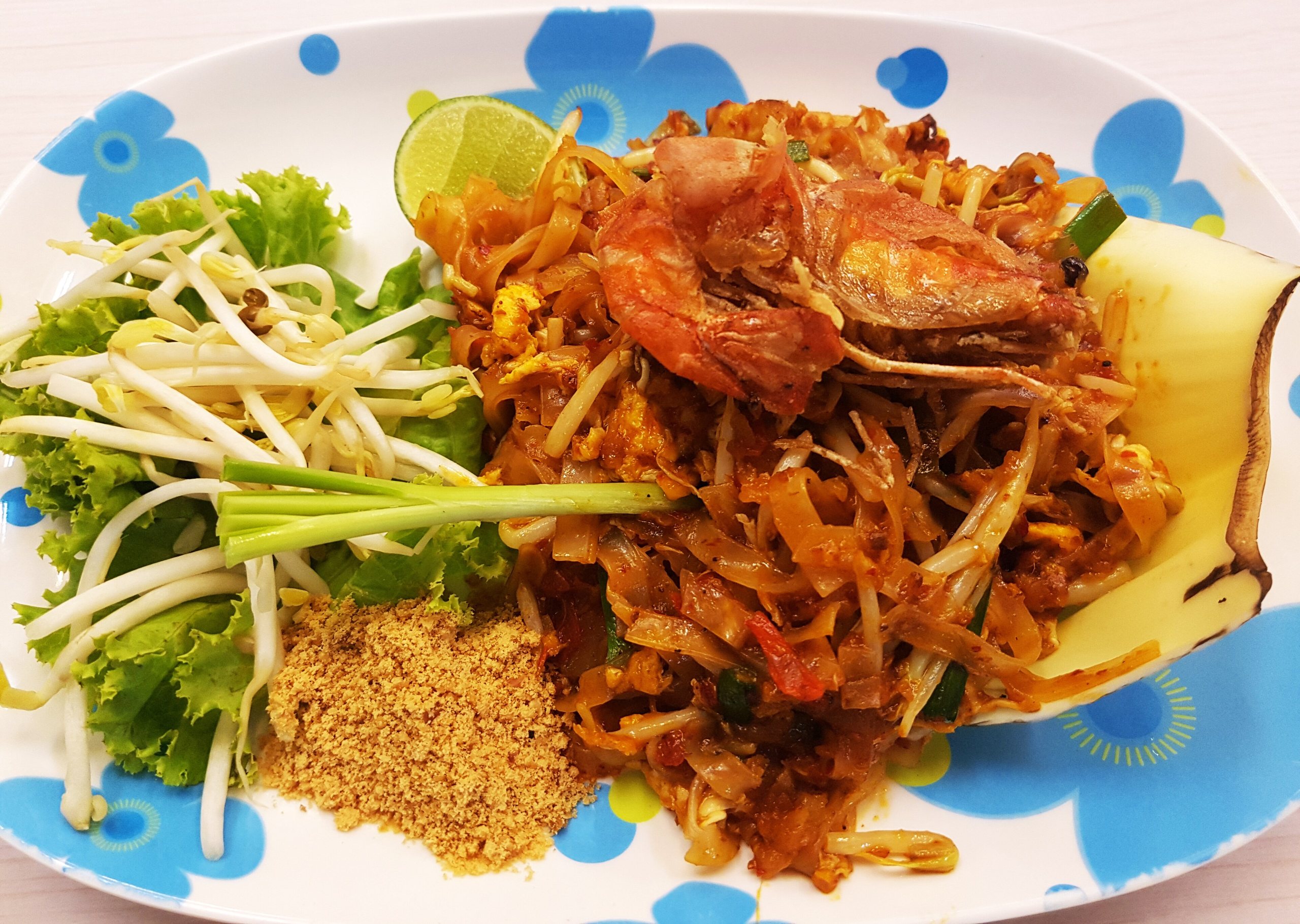
What to Eat in Thailand: A First-Timer's Food Guide
What to eat in Thailand, from pad thai and som tam to the dishes tourists miss. Our guide to Thai street food, regional specialities and how to order.
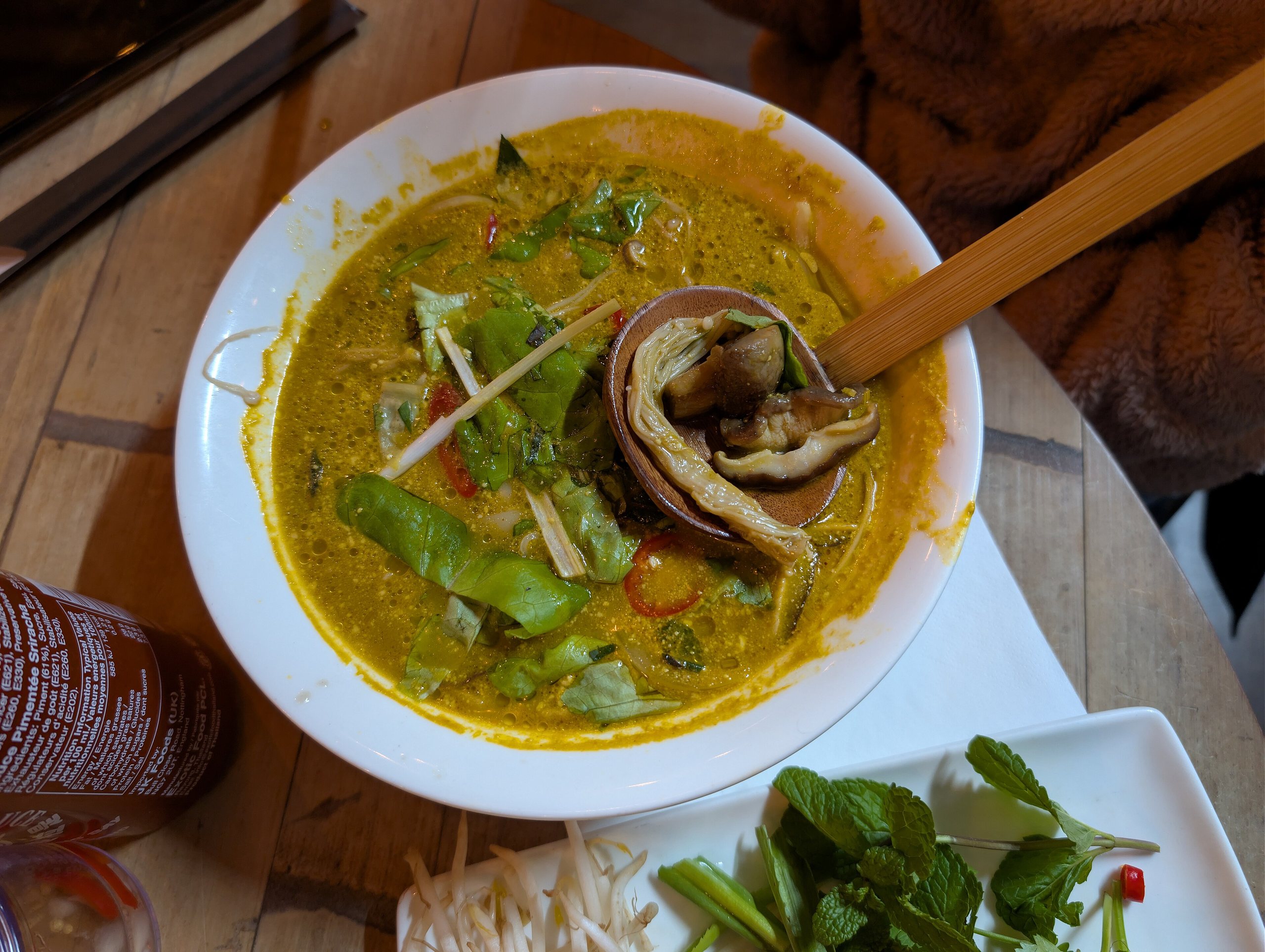
What to Eat in Vietnam: A First-Timer's Food Guide
What to eat in Vietnam, from pho and banh mi to bun cha and egg coffee. Our guide to Vietnamese street food, regional specialities and how to order.

What to Eat in the Philippines: A First-Timer's Food Guide
What to eat in the Philippines, from lechon and adobo to halo-halo and mangoes. Our guide to Filipino food, street eats and how to order like a local.