What to Eat in Thailand: A First-Timer's Food Guide
Thailand · 5 September 2025 · 9 min read
For a lot of our travellers, the food is the whole point of the trip. Thai cooking balances sweet, sour, salty and spicy like nothing else, and the best of it is served on plastic stools for under two pounds. Here's what to eat, where, and how to order without accidentally ordering the spiciest thing in the kitchen.
The classics you already know (and should still order)
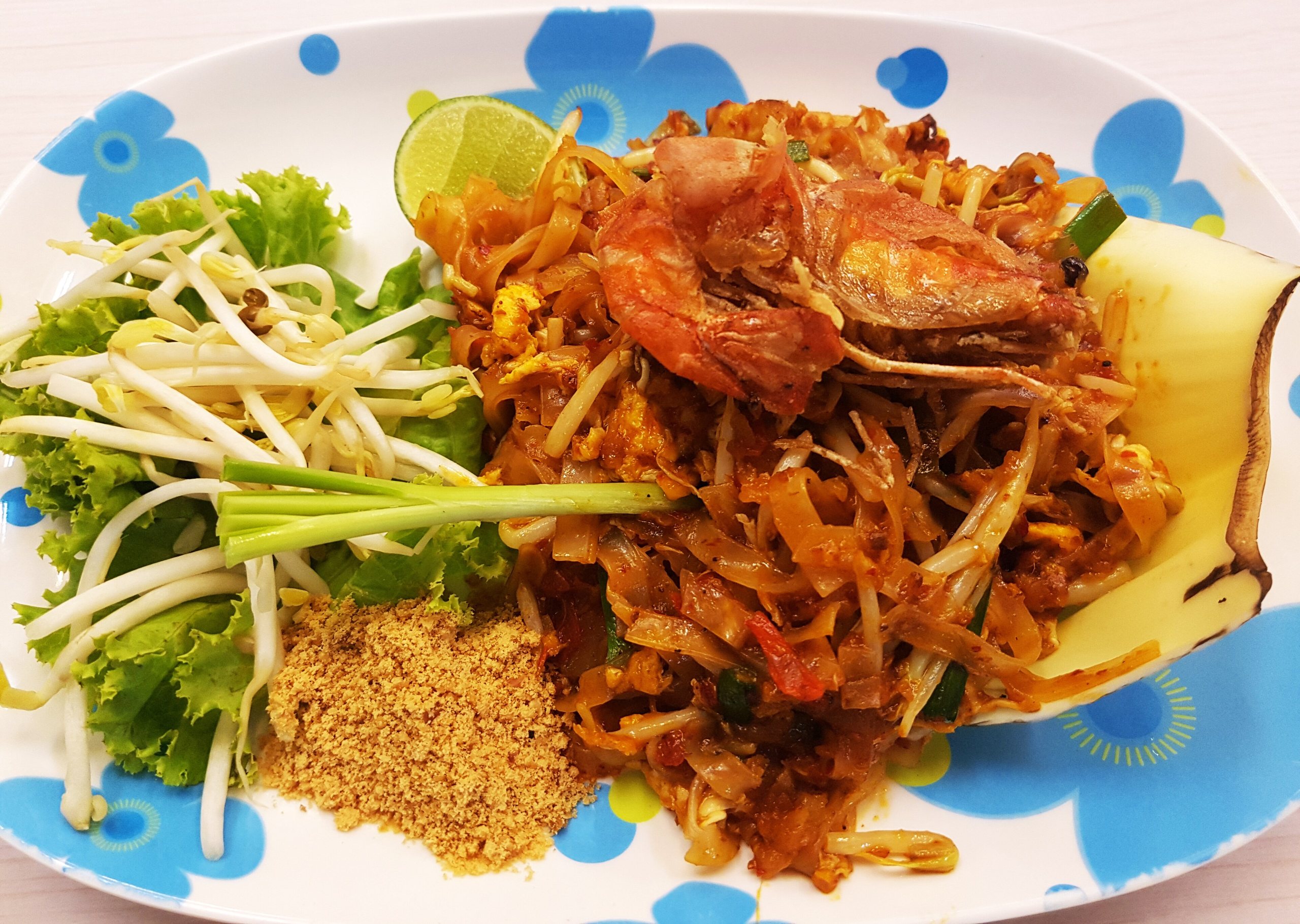
Pad thai
Stir-fried rice noodles with prawn, tofu, egg, peanuts and tamarind. It's the safe starting point for kids and picky eaters, and done well it's wonderful. Look for a stall that cooks each order fresh in a hot wok.
Tom yum
The hot-and-sour shrimp soup is Thailand in a bowl — lemongrass, lime, chilli and galangal. Order it medium-spicy and you'll get the point.
Green curry
Gaeng keow wan, creamy with coconut milk and green chillies. Mild enough for most palates, fragrant enough to be memorable.
The ones tourists miss
Som tam (green papaya salad)
Shredded papaya pounded with chilli, lime, fish sauce and peanuts. It's the taste of Isaan, the northeast, and it's bracing, sour and addictive. Ask for "one chilli" the first time.
Khao soi
The dish of Chiang Mai — a coconut curry noodle soup topped with crispy noodles. If you only try one northern dish, make it this.
Mango sticky rice
Ripe mango, warm coconut rice, a drizzle of salted coconut cream. The greatest dessert in the country and a honeymoon non-negotiable.
Moo ping & grilled everything
Charcoal-grilled pork skewers sold from carts everywhere. The smell will find you before you find it.
Street food, done safely
Street food is generally safe when you follow one rule: eat where it's busy. High turnover means fresh ingredients. Look for stalls cooking to order, go early evening when locals eat, and if a stall is packed with Thai families, join the queue. Bottled water only, and ease in gently on the chilli.
Regional specialities
- Bangkok — boat noodles, grilled river prawns, and Chinatown's everything.
- Chiang Mai & the north — khao soi, sai oua (herbal sausage) and nam prik dips.
- The south (Phuket, Krabi) — fresh seafood, yellow curry and the sour tang of southern-style curries.
- Isaan — som tam, grilled chicken and sticky rice.
How to eat like a local
- Follow the crowd — a busy stall is a safe stall.
- Say "mai phet" (not spicy) or "phet nit noi" (a little spicy) to control the heat.
- Eat breakfast like a local — a bowl of noodle soup or rice porridge beats hotel toast.
- Graze — order small and often; that's the whole point of a night market.
We build food moments into every trip — a street-food evening in Bangkok, a cooking class in Chiang Mai. Our family package even includes a class the whole family can do together. For food-first advice, call us on 020 7946 0958.
Quick questions, answered
What if I don't like spicy food?
Say "mai phet" (not spicy) and you'll be understood. Thai food is easily toned down, and most kitchens are happy to adjust — the balance of sweet and sour survives without the heat.
Is street food actually safe?
At busy, high-turnover stalls, yes. The rule is simple: eat where locals are queuing, order things cooked fresh to order, and stick to bottled water.
What's the best city for food?
Bangkok for sheer variety and street-food energy, and Chiang Mai for northern specialities like khao soi you won't find done well elsewhere.
Are there good vegetarian options?
Plenty. Ask for "jay" (Thai vegetarian) and you'll find dedicated stalls and dishes — tofu, stir-fries and vegetable curries are everywhere.
Related guides
The Best Time to Visit Thailand, Month by Month
When is the best time to visit Thailand? We break down Thailand's weather month by month and region by region so you pick the perfect dates for your trip.

The Perfect 10-Day Thailand Itinerary
A day-by-day 10 day Thailand itinerary covering Bangkok, Chiang Mai and the islands — the route we actually build for our own customers, with prices.

A Honeymoon in Thailand: The Complete Guide
Planning a honeymoon in Thailand? We cover the most romantic islands, when to go, what a Thailand honeymoon costs and how to plan the perfect trip for two.