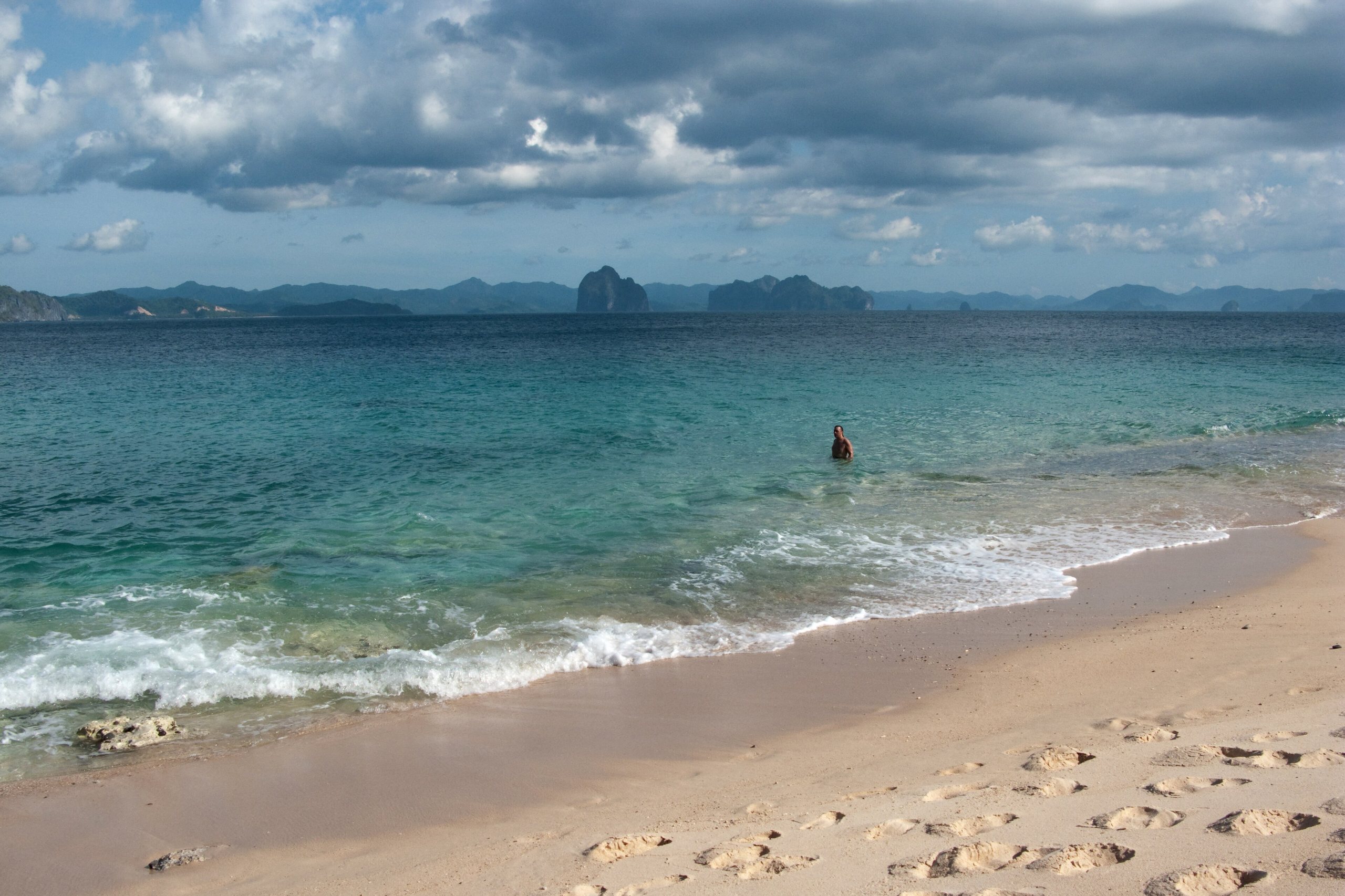
The Best Time to Visit the Philippines
Philippines · 5 November 2025 · 8 min read
The Philippines runs on two seasons: dry and wet. Get the timing right and you'll find some of the most spectacular island scenery on Earth in near-perfect conditions. Get it wrong and you'll meet a typhoon. Here's how to pick the right window.
The short answer
For island-hopping, the best time to visit the Philippines is the dry season, roughly November to May. The very best months are December to March — clear skies, calm seas and manageable temperatures before the April heat peaks. This is when Palawan and El Nido are at their postcard best.
Month by month
November – February: peak perfection
Cool, dry and sunny — the ideal window for kayaking lagoons, snorkelling and island-hopping. It's the busiest and priciest time, so book early. This is the window our El Nido & Coron package is built around.
March – May: hot and clear
The sea is glassy and the visibility superb, but temperatures climb into the high 30s by April. Perfect for beach-and-pool trips; less ideal for heavy hiking. May is a lovely shoulder month before the rains return.
June – October: the wet season
The southwest monsoon brings rain and, from August to October, genuine typhoon risk. That said, it rarely rains all day, and the islands turn an electric green. If you travel in this window, stick to the eastern side of the country (Siargao, Cebu's south) which stays drier, and always book flexible.
Region differences
- Palawan & El Nido — best November to May; wettest July to September.
- Bohol & Cebu — best December to May; short sharp showers otherwise.
- Boracay — best November to May.
- Siargao — the exception: best April to October for surfers.
Quick questions, answered
When is typhoon season?
Roughly June to November, with the highest risk August to October. If you're travelling then, the eastern islands are safer, and flexible booking is a must.
Is the Philippines worth visiting in the rainy season?
It can be — rain often comes in short bursts, prices drop and the landscape turns green. But for island-hopping, the dry season is simply more reliable.
How far ahead should I book?
For December to March, book six months ahead — the best island resorts sell out fast. Call 020 7946 0958 and we'll line your dates up.
Related guides

The Best Time to Visit Thailand, Month by Month
When is the best time to visit Thailand? We break down Thailand's weather month by month and region by region so you pick the perfect dates for your trip.
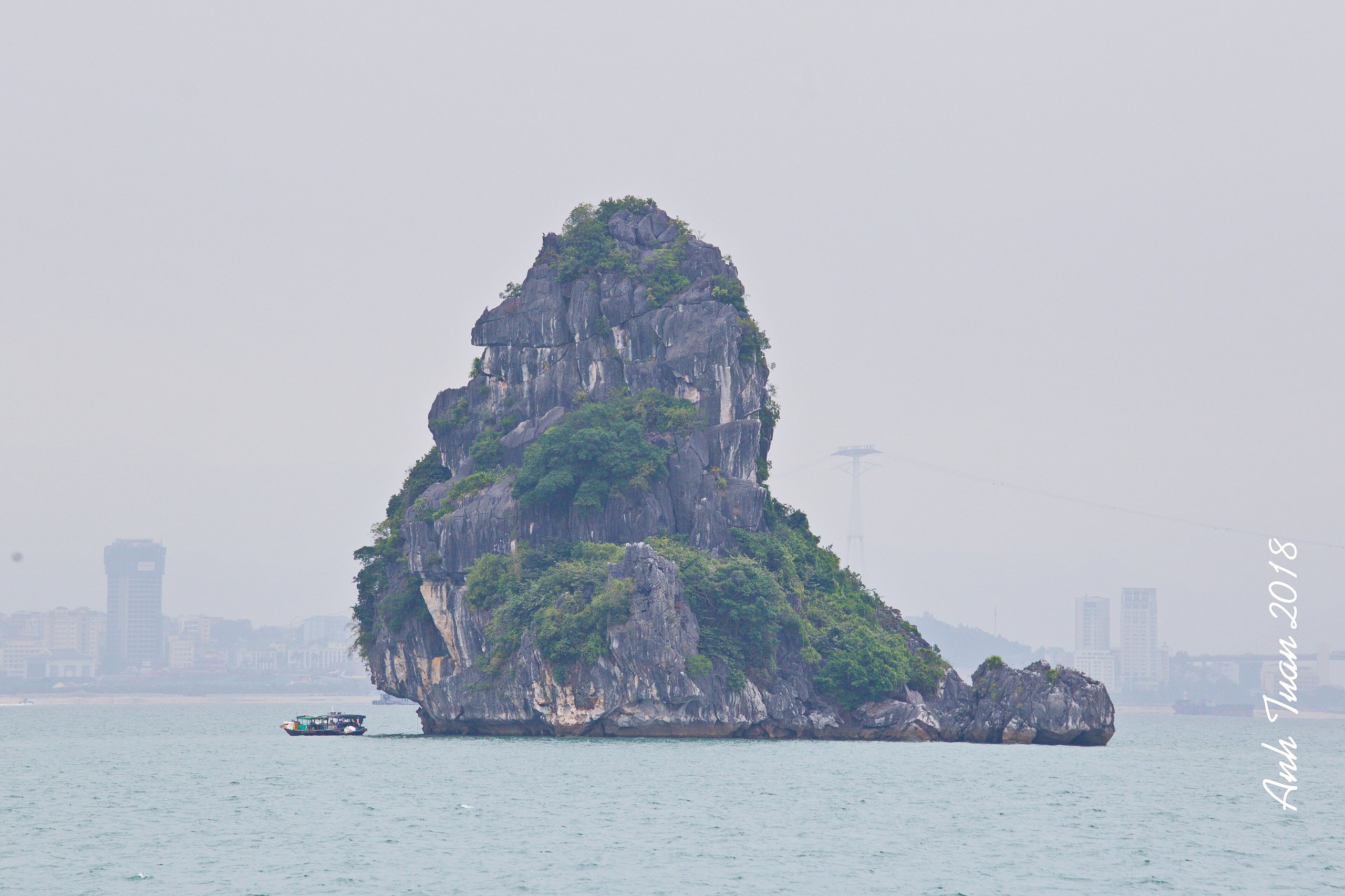
The Best Time to Visit Vietnam, Region by Region
When is the best time to visit Vietnam? Because it's a long country, the answer varies by region. Here's our month-by-month and north-south guide.
The Perfect 10-Day Philippines Itinerary
A day-by-day 10 day Philippines itinerary covering El Nido and Coron in Palawan — the route we build for our own customers, with prices.